
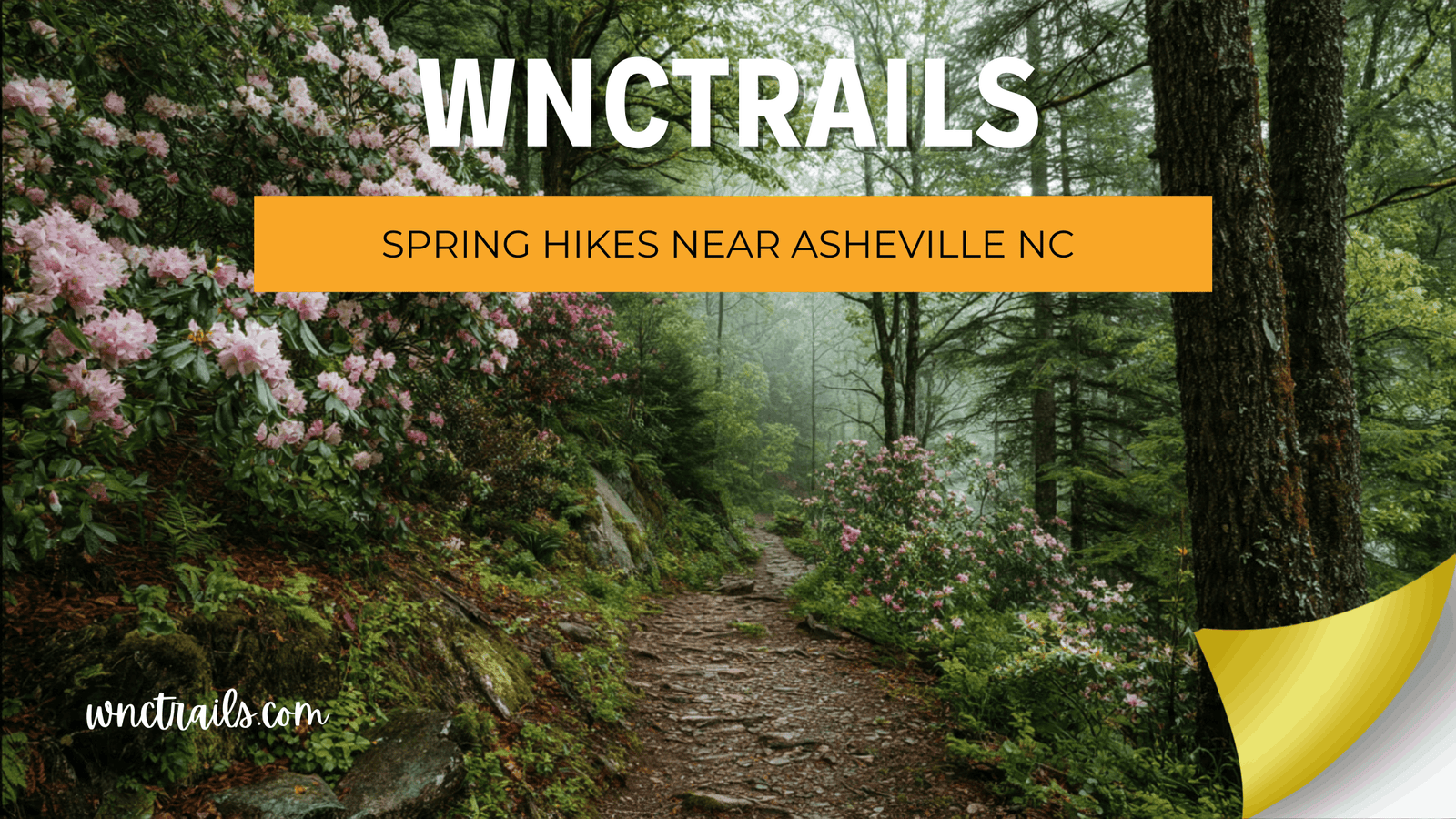
Spring Hikes Near Asheville Nc
Recommended Tools
Disclosure: This page may contain affiliate links.
- Hiking Shoes ” Check current pricing
- Daypack ” Check current pricing
- Trekking Poles ” Check current pricing
Spring in Western North Carolina transforms the mountains around Asheville into a vibrant landscape of wildflowers, rushing streams, and panoramic vistas. For those seeking to experience the regions natural beauty, spring hikes near Asheville NC offer a blend of accessible trails, lush scenery, and seasonal highlights. Whether you are a local or a visitor, understanding the best options and practical considerations can help you make the most of this special time of year.
Overview
The Asheville area is renowned for its trail diversity, ranging from easy strolls to challenging climbs. In spring, deciduous forests awaken, rhododendron and mountain laurel bloom, and waterfalls flow at their strongest. Popular destinations include sections of the Blue Ridge Parkway, Pisgah National Forest, and the Great Smoky Mountains National Park, all within a short drive from downtown Asheville. Spring hiking here is characterized by moderate temperatures, emerging greenery, and frequent opportunities to spot wildlife and wildflowers.
Some favorite spring hikes near Asheville NC include:
- Craggy Gardens: Famous for late spring rhododendron blooms and sweeping views along the Blue Ridge Parkway.
- Graveyard Fields: Featuring waterfalls and wildflower meadows, with accessible loop options suitable for most hikers.
- Mount Pisgah: A classic summit hike with panoramic views, especially rewarding when the forest comes alive in spring.
- Max Patch: A bald mountain with 360-degree vistas and open fields, perfect for spring picnics and wildflower spotting.
- DuPont State Recreational Forest: Known for its series of waterfalls and easy-to-moderate trails, ideal for families and photographers.
These trails showcase the diversity of terrain and scenery found near Asheville, making spring a prime season for hiking enthusiasts.
Key Considerations
Planning a spring hike near Asheville involves a few important factors:
- Weather: Spring weather can be unpredictable. Mornings may be chilly, with afternoon showers common. Dress in layers and pack a rain jacket.
- Trail Conditions: Snowmelt and spring rains can make trails muddy or slippery, especially near streams and waterfalls. Waterproof footwear and trekking poles are helpful for stability.
- Flora and Fauna: Spring is prime time for wildflower blooms, but also for emerging wildlife and insects. Tread carefully to avoid disturbing plants, and consider insect repellent for ticks and gnats.
- Crowds: Popular trails see increased traffic in spring, especially on weekends. Arrive early or explore less-traveled paths to enjoy a quieter experience.
- Trail Closures: Some high-elevation parkway sections or remote trails may remain closed into late spring due to lingering ice or maintenance. Check park or forest websites before heading out.
By preparing for these variables, hikers can maximize safety and enjoyment on Ashevilles spring trails.
Common Use Cases
Spring hikes near Asheville NC cater to a wide range of interests and abilities. Here are some typical ways people enjoy these trails:
- Wildflower Viewing: Many hikers plan outings specifically to catch peak blooms of trillium, violets, and rhododendron. Graveyard Fields and Craggy Gardens are top choices for spring flora.
- Waterfall Exploration: With increased water flow, spring is ideal for visiting waterfalls. Trails in Pisgah National Forest and DuPont State Forest offer multiple falls within short distances.
- Family-Friendly Hikes: Easy-to-moderate loops like those at Bent Creek or the North Carolina Arboretum are perfect for families with children or those seeking a gentle walk.
- Photography: Early morning and late afternoon light, combined with fresh greenery and blooms, create excellent conditions for landscape and macro photography.
- Fitness and Training: Many locals use spring trails to train for summer hiking or trail running events. Ascents like Mount Pisgah or Lookout Mountain offer good elevation gains.
Choosing the right trail depends on your goals, group size, and time available. Ashevilles trail network ensures theres an option for nearly every preference.
Frequently Asked Questions
- When is the best time in spring for hiking near Asheville?
Late March through early June typically offers the best combination of mild weather, wildflowers, and open trails. Rhododendron and mountain laurel blooms peak in late May to early June at higher elevations. - Are permits or fees required for local trails?
Most trails near Asheville do not require permits, but some areas (like certain state parks or popular waterfall sites) may have parking fees. Always check the official trailhead or park website for details before visiting. - What should I bring for a spring day hike?
Essentials include layered clothing, waterproof shoes, a rain jacket, water, snacks, insect repellent, a map or GPS, and a camera for capturing spring scenery. Trekking poles are helpful on muddy or rocky sections. - Are dogs allowed on spring hikes near Asheville?
Many trails are dog-friendly, but leash requirements vary by location. Always pack out pet waste and confirm specific rules for your chosen trail. - How do I avoid crowded trails in spring?
Visit on weekdays, arrive at trailheads before 9 a.m., or explore less-known routes. Trails farther from the Blue Ridge Parkway or with longer distances typically see fewer visitors.
For more detailed trail guides, seasonal tips, and up-to-date conditions, explore additional resources on WNC Trails or check with local ranger districts before your next spring hike near Asheville NC.